“Life is the building of bridges…”
What is this philosophical, poetic line about? The power of circumstance — or the power of the human being?
In June 1967, the exhibition “15 Young Moscow Artists” opened at Il Segno gallery in central Rome. It presented works by artists who were not allowed to exhibit in the USSR — among them Ülo Sooster.
How did these works find their way to Italy?
The gallery owner and curator Angelica Savinio de Chirico travelled to Moscow, where she met with unrecognised artists. The selected works — “suitcase-sized” pieces — were secretly carried out by foreign journalists and diplomats.
“To be honest, I do not know what place these artists occupy or what they represent in the artistic life of the Soviet capital. Yet I believe they are artists who, through their freshness and authenticity, deserve our full attention,” Angelica Savinio wrote in the catalogue’s introduction.
The exhibition was a success. Critics saw strength and inner freedom in the works of the young artists, and in Ülo Sooster’s graphic art, the continuation of European Surrealism and the metaphysical tradition.
In Moscow, the artists were denounced, but the matter did not lead to arrests. The practice of illegally sending works to the West continued…
And now — pay attention! The gallery owner was the niece of one of Ülo Sooster’s favourite artists, Giorgio de Chirico. He lived and worked in his studio on Piazza di Spagna, just a few minutes’ walk from Il Segno gallery, which he visited regularly.
“Life is the building of bridges…”
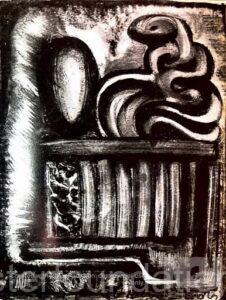
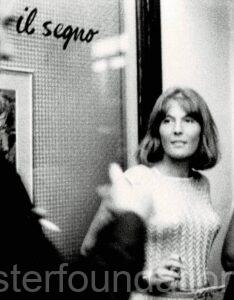
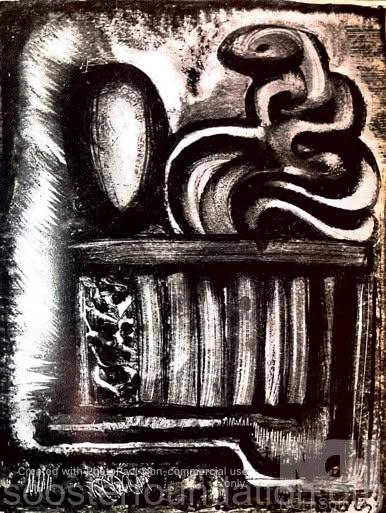
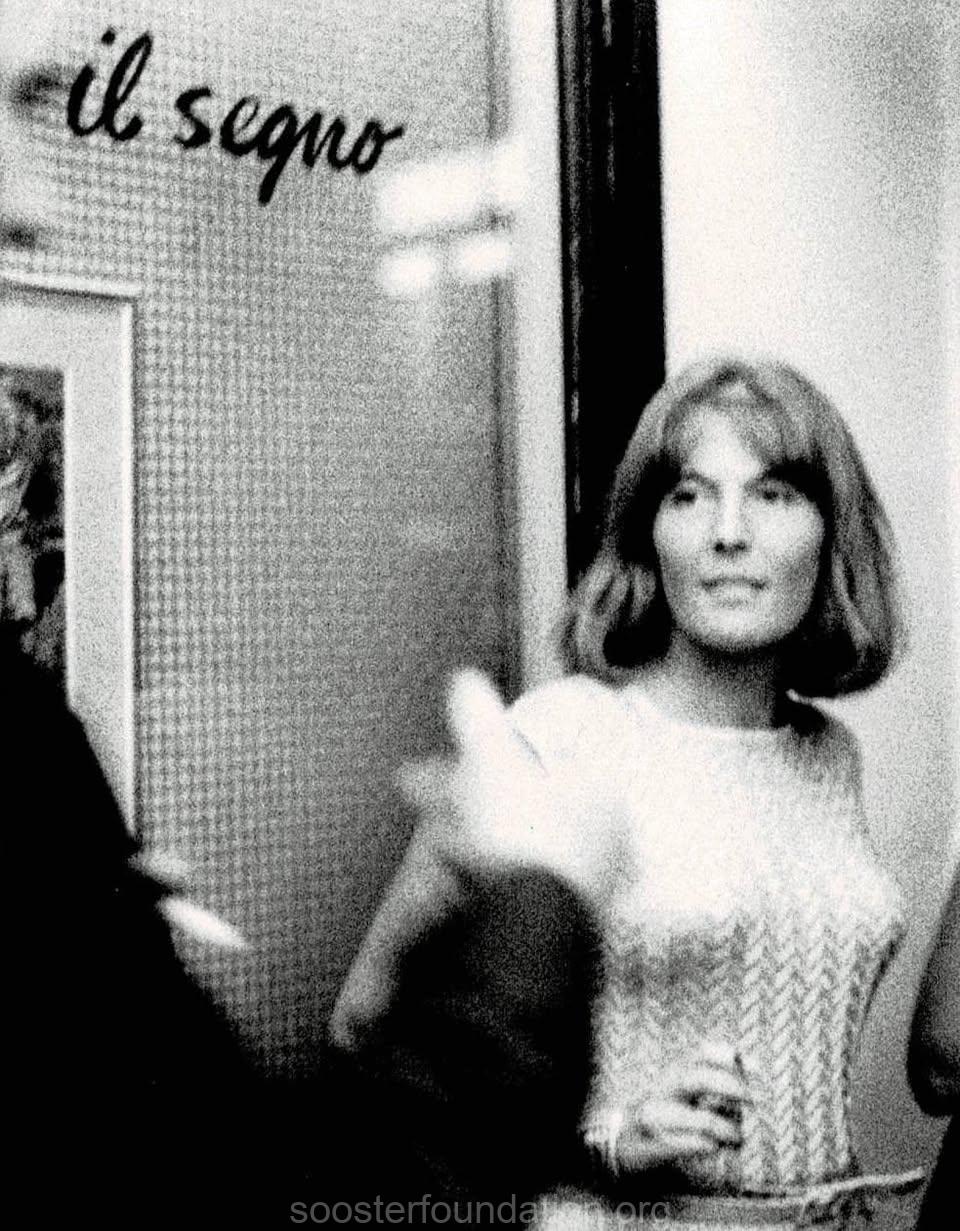
Photographs: Ülo Sooster - Monument. 1961. 21 × 26 cm, monotype; Angelica Savinio de Chirico in the Il Segno gallery