In Memory of Lidia Sooster
On 23 September, it will be 100 years since the birth of Lidia Sooster (née Serkh). Her 79 years contained enough for several lifetimes...
A happy childhood with the nickname “Lidka the Abyssinian,” cut short by war. An escape from Dnipropetrovsk one day before the occupation. Wartime Moscow, with bombings and nights spent in the Mayakovskaya metro station. And at the same time - dancing with American allies at the Metropol Hotel, which later earned her her first prison sentence for “espionage” after the Soviet Union fell out with its former wartime partners.
The GULAG, Karaganda, the camp, exhausting logging work, where she and her friends harnessed themselves to a yoke to drag logs, reciting romantic poetry to keep one another going...
Release and a secret return to Moscow, admission to art school, and a denunciation by a teacher because Lidia refused to study “the Party line”... Then another arrest, this time for “anti-Soviet propaganda.” She was initially sentenced to 25 years in the camps, later reduced to ten. Once again: transfers, overcrowded prison wagons, Karaganda, Peschanlag, the Taishet camp, and exhausting labor - now in the fields, now planting forests.
Then came a stroke of luck: she found work as an artist at the camp House of Culture. There was a drama group and a dance ensemble, and an Estonian opera singer taught singing... And most importantly, she met her future husband - at that time the chief artist of the inter-camp House of Culture, himself a prisoner and a member of an “anti-Soviet group”: Ülo Sooster.
A passionate romance began by correspondence, with countless drawings and rare meetings.
Her sentence ended, and Lidia left for Moscow, but soon returned to Karaganda to be with the man she loved... Stalin died - then came amnesty and departure for Estonia, to her beloved’s family. The family gave permission for him to marry a Jewish woman - “as long as she isn’t Russian.” A modest wedding among close friends and relatives. But the impossibility of finding work as an artist forced Ülo Sooster and his wife to move to Moscow and begin a new life.
Tenno Pent Sooster, son of Ülo and Lidia Sooster
(To be continued)
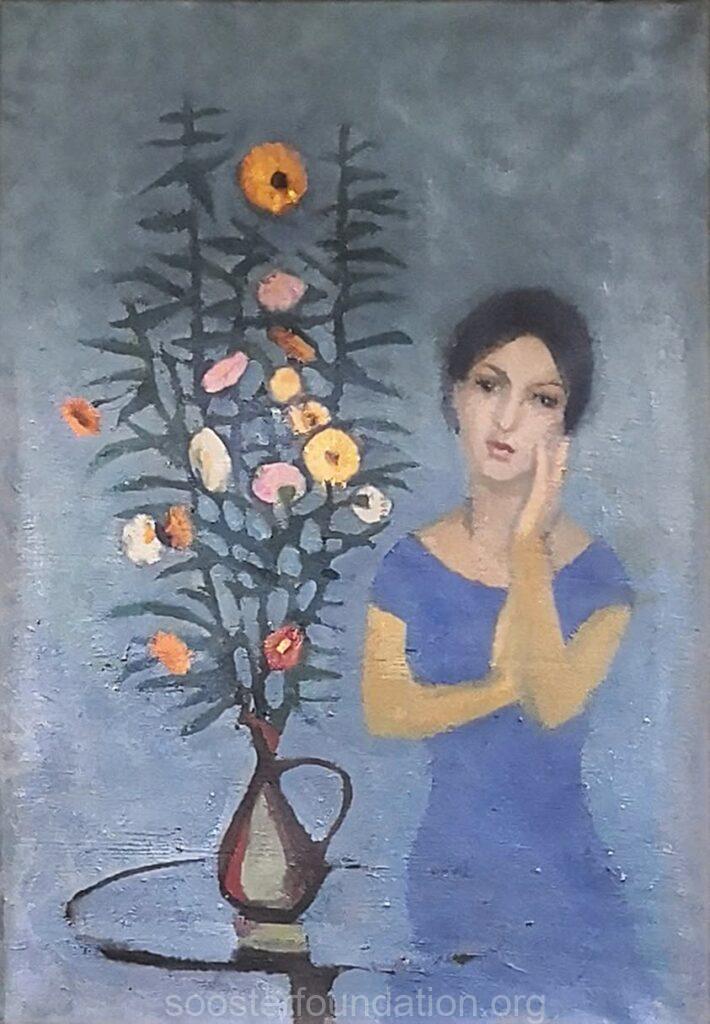
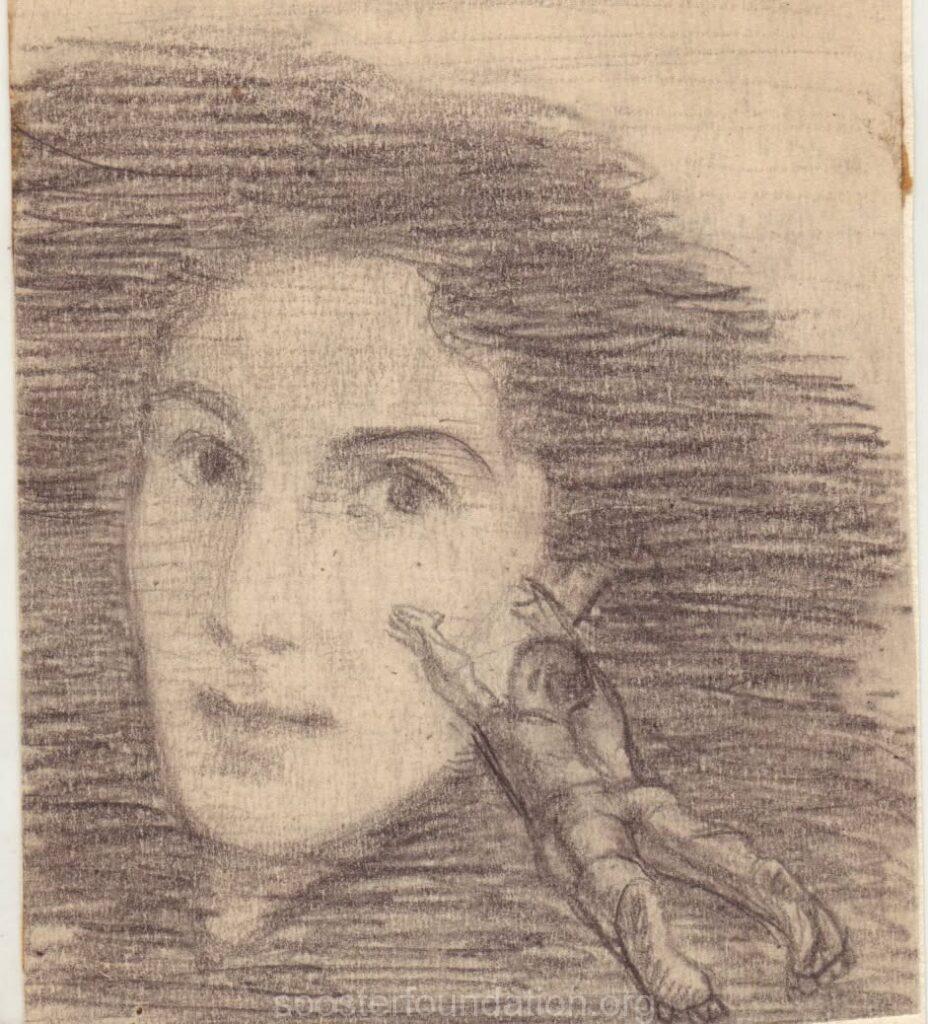
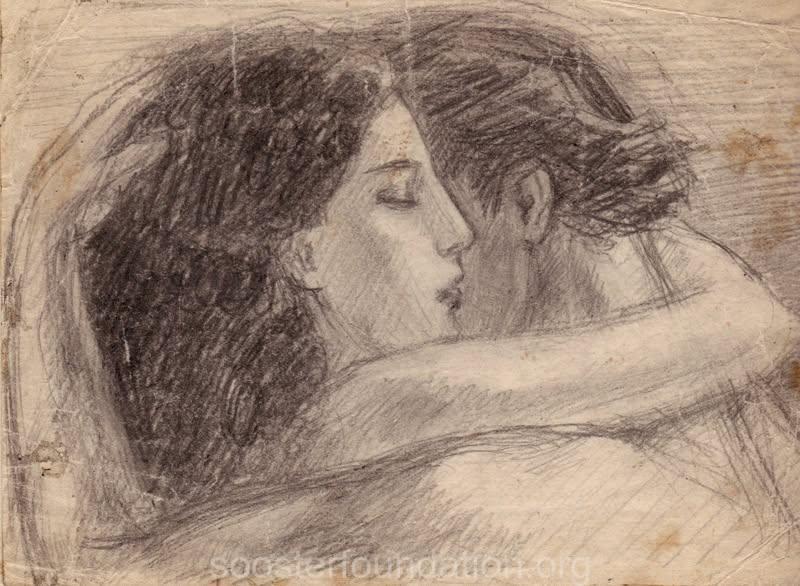
In the photo: Ülo Sooster’s works ‘Blue portrait’. 1956-57; “Flying to You”. 1955; “Embrace”. 1955-56
See less